


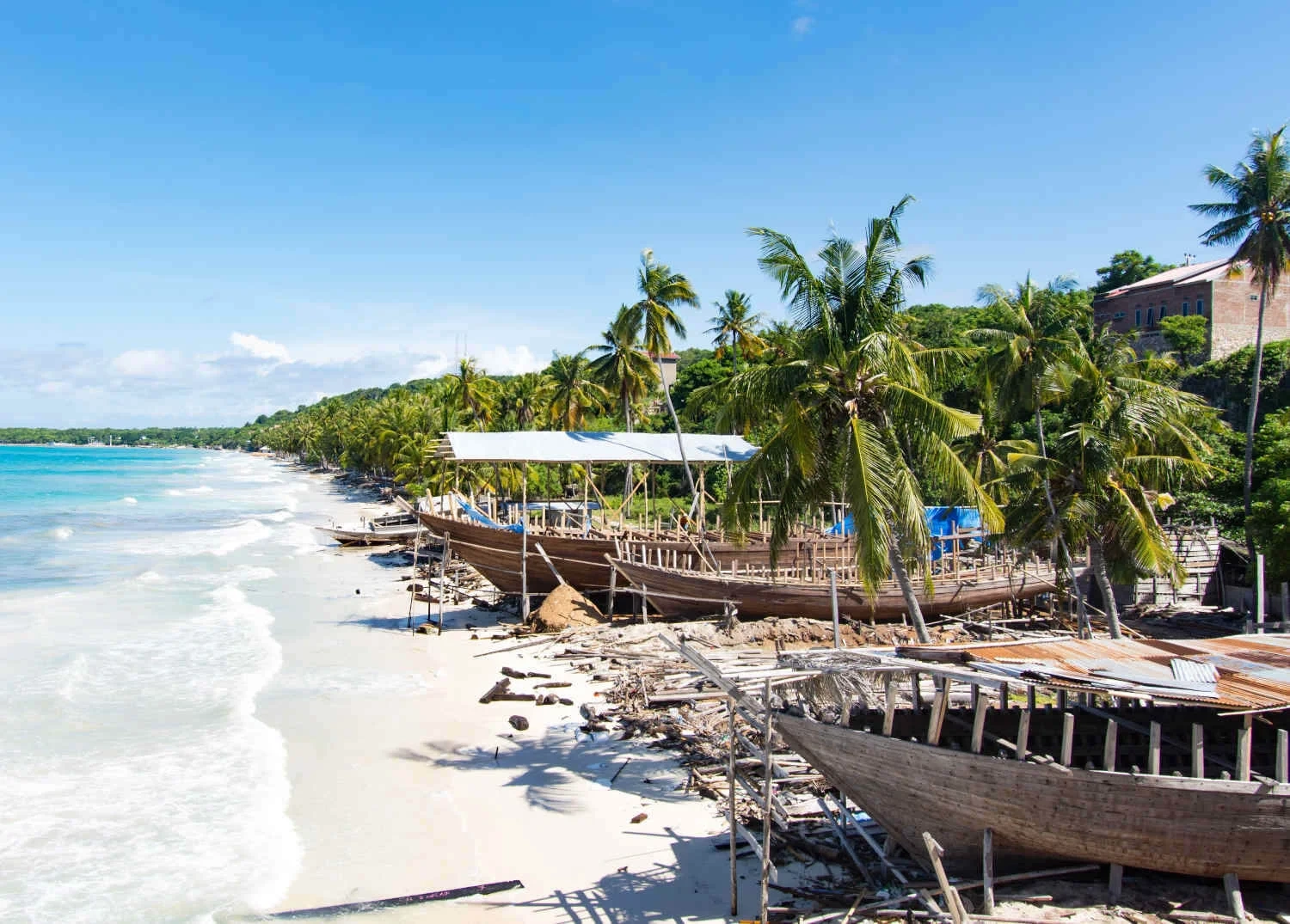
Best Time to Visit Sulawesi: Month by Month, Region by Region
By Sulawesi.com editors8 min read
When to visit each part of Sulawesi, from 30 years of rain data and wave records: the driest months, the wettest months and the calmest seas for 23 places.
Sulawesi has no single dry season. Each coast faces a different sea and a different wind, so the driest month in Makassar is one of the wettest on the Togean Islands. This guide gives the best months for each region from measured data: 30 years of rain for 24 places (CHIRPS, the averages of 1991 to 2020) and wave records since 2017 (NOAA's WAVEWATCH III model). All figures are monthly averages. A single year can be much wetter or much drier.
Three rain patterns
The south-west and the southern islands have a long dry season. Makassar, Maros (Rammang-Rammang), Selayar, Taka Bonerate, Baubau and Wakatobi are dry from about July to October. Makassar averages 4 mm of rain in August, and August had less than 60 mm in all 30 years. The wet season is December to February. Makassar averages 689 mm in December.
The centre and the east get most of their rain from April to June. Tanjung Bira averages 297 mm in May, Sombori 384 mm, Kendari 310 mm and the Togean Islands 261 mm. Lake Poso and Lore Lindu are wettest in April, Tana Toraja in April and May. Bira is only a few hours' drive from Makassar, but its wettest months are Makassar's dry ones.
The north is wet all year and least wet in August. Manado and Bunaken average more than 100 mm in every month. Their wettest months are December to February: Manado averages 412 mm in January. July to September has the least rain. Tomohon, Tangkoko and Lembeh get less than 100 mm in August.
The Palu valley is a rain shadow and much drier than the hills around it. The rain data used here reads it too wet, so this guide gives no figures for Palu.
Rain and sea, place by place
The driest months are the months around the driest one: the months under 100 mm where there are some, or else the months closest to the driest. The calmest seas are the three months with the least time of waves at 1.25 m or more. That is the height at which BMKG, Indonesia's weather agency, warns small boats.
| Place | Driest months | Least rain | Most rain | Calmest seas |
|---|---|---|---|---|
| Makassar | May to October | August, 4 mm | December, 689 mm | April, May, November |
| Rammang-Rammang (Maros) | July to October | August, 21 mm | January, 556 mm | Inland |
| Tanjung Bira | August to October | September, 30 mm | May, 297 mm | January, March, November |
| Selayar | July to October | August, 14 mm | January, 260 mm | May, October, November |
| Taka Bonerate | July to October | September, 6 mm | December, 281 mm | April, October, November |
| Tana Toraja | July to October | October, 132 mm | April, 328 mm | Inland |
| Mamuju | July to September | August, 118 mm | May, 305 mm | April, May, November |
| Kendari | August to October | September, 77 mm | May, 310 mm | January, March, November |
| Baubau | July to October | August, 21 mm | December, 317 mm | April, October, November |
| Wakatobi | July to October | August, 30 mm | January, 260 mm | April, October, November |
| Mount Gandangdewata | July to October | August, 101 mm | May, 295 mm | Inland |
| Lake Poso | August | August, 95 mm | April, 373 mm | Inland |
| Lore Lindu | October to February | October, 111 mm | April, 307 mm | Inland |
| Togean Islands | January to February | February, 105 mm | May, 261 mm | Calm all year |
| Luwuk | August to November | November, 65 mm | June, 159 mm | Calm all year |
| Banggai Islands | September to November | October, 51 mm | June, 226 mm | Calm all year |
| Sombori | August to November | October, 103 mm | May, 384 mm | November to January |
| Gorontalo | August to September | August, 48 mm | May, 198 mm | Calm all year |
| Manado | July to September | August, 101 mm | January, 412 mm | June, August, November |
| Bunaken | July to September | August, 117 mm | January, 451 mm | June, August, November |
| Lembeh Strait | August | August, 82 mm | December, 305 mm | April, May, November |
| Tangkoko | August | August, 79 mm | December, 309 mm | April, May, November |
| Tomohon | August to September | August, 62 mm | January, 293 mm | Inland |
Sea conditions for boats and diving
The wave figures are for the open sea near each place. Bays, straits and lagoons are calmer.
- The Gulf of Tomini and the east coast are calm all year. Off the Togean Islands, Gorontalo, Luwuk and the Banggai Islands, waves reach 1.25 m less than 1% of the time in every month.
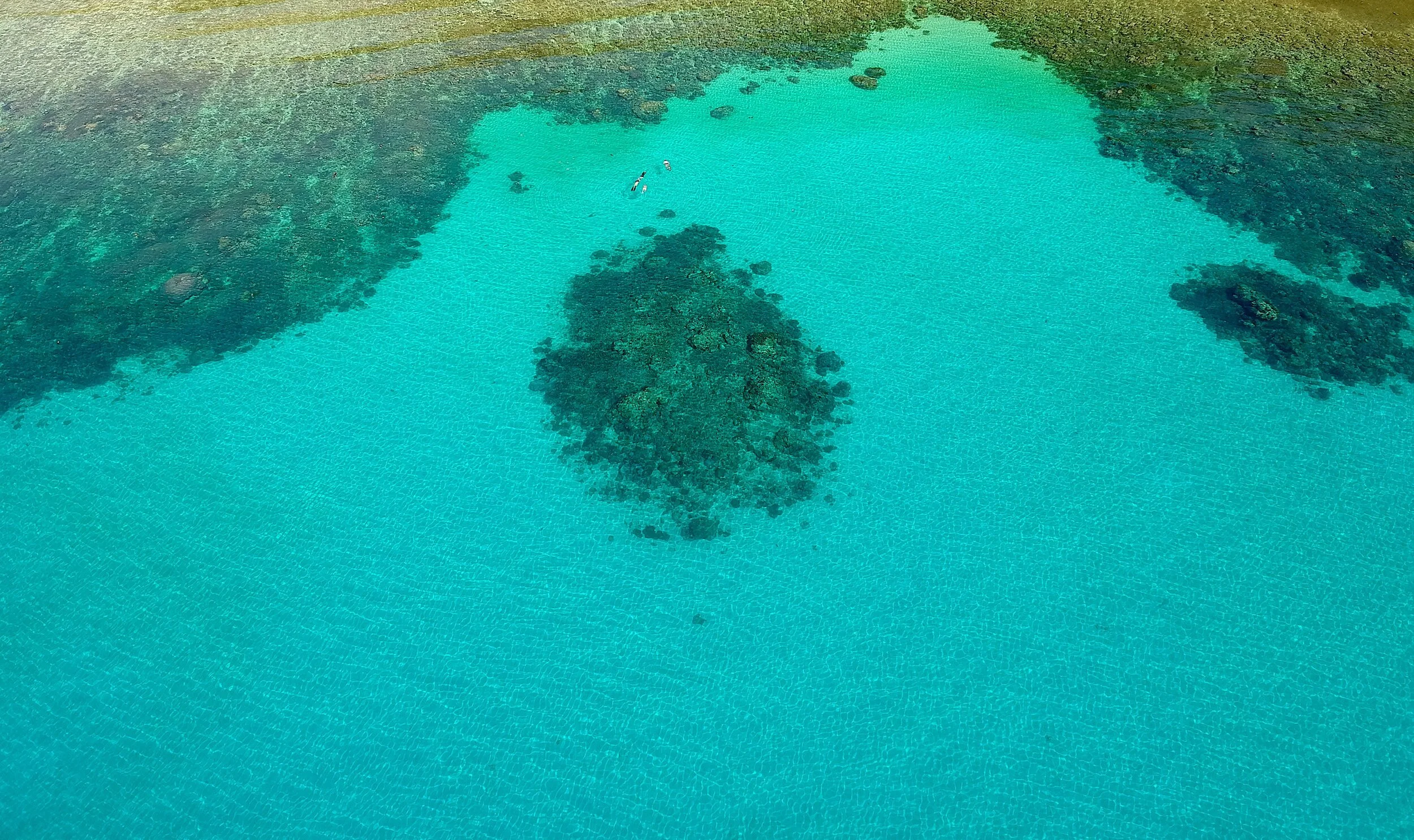
- Wakatobi and Kendari have rough seas from June to August. Off Wakatobi, waves reach 1.25 m 15% of the time in June. October and November are the calmest months there. October is also one of the driest.
- Selayar and Taka Bonerate are rough in January and February, about a fifth of the time. October and November are the calmest months, and October is dry.
- The Molucca Sea side of the north is rough twice a year. Off Lembeh and Tangkoko, waves reach 1.25 m a quarter of the time in August, and a fifth of the time in February. Inside Lembeh Strait the water is sheltered.
- Bunaken and Manado face the Sulawesi Sea, which is calm most of the year. Waves reach 1.25 m at most 4% of the time, in January and February.
- Bira has its roughest seas in July and August, 6% of the time.
Month by month
January and February. The wettest months in the south-west and the north: Makassar averages 670 mm in January and Manado 412 mm. Seas are rough off Selayar, Taka Bonerate and Lembeh. The Togean Islands have their least rain of the year, and calm water.
March and April. Rain eases in the south-west: Makassar averages 173 mm in April. The centre is at its wettest: Tana Toraja averages 328 mm in April and Lake Poso 373 mm. Seas are calm almost everywhere in April.
May and June. Makassar is dry: 88 mm in May, 68 mm in June. The east coast is at its wettest: Bira, Kendari, Sombori and the Togean Islands. Waves build off Wakatobi and Kendari from May, most in June and July.
July and August. The driest months for the south-west, the southern islands and the north: Makassar averages 4 mm in August and Manado 101 mm. Tana Toraja has its least rain from July to October, about 130 to 155 mm a month. Seas are rough off Wakatobi, Kendari, Lembeh and Tangkoko.
September and October. Still dry in the south and the south-east: Wakatobi averages 32 mm in September and 41 mm in October. Seas calm down off Wakatobi in October. These are good months for Wakatobi, Selayar and Taka Bonerate.
November and December. The rain returns to the south-west: Makassar averages 191 mm in November and 689 mm in December. November is calm at sea almost everywhere.
Best months by activity
- Diving at Wakatobi: October, for calm seas and dry weather. November is as calm but wetter. June to August has the roughest seas.
- Diving at Bunaken: April to November, when the sea is calm. July to September has the least rain.
- Diving at Selayar and Taka Bonerate: September to November, when the sea is calm. September and October are also dry.
- The Togean Islands: the sea is calm all year. January and February have the least rain, May to July the most.
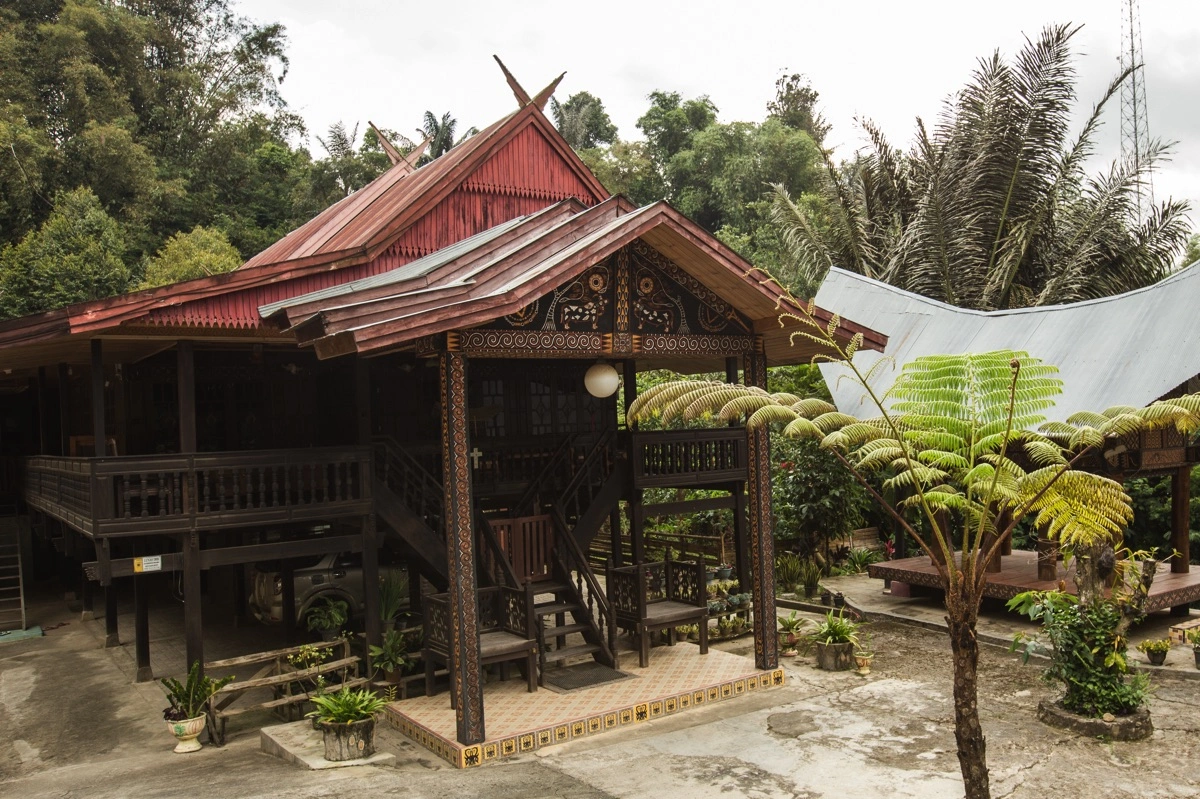
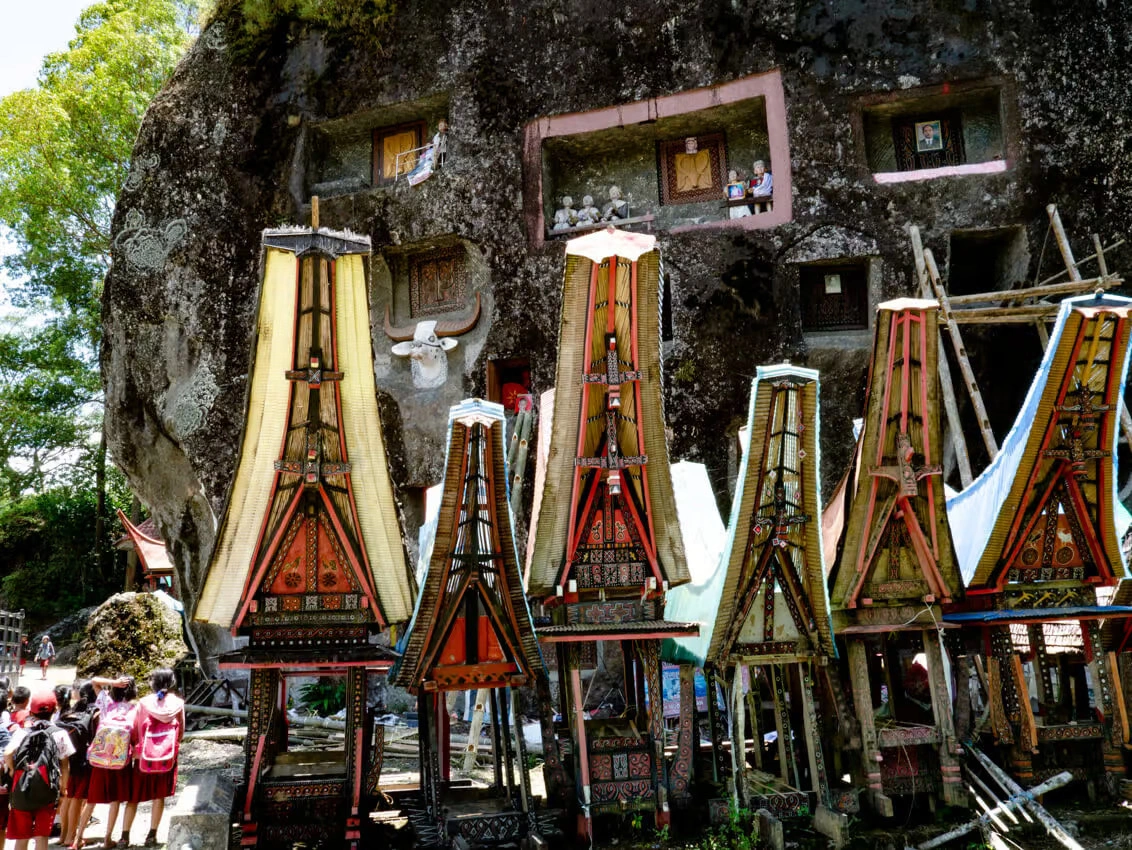
- Tana Toraja: it rains in every month, least from July to October. July and August are also the busiest months for Rambu Solo' funerals (Antara news agency, November 2025).
- Lore Lindu and the Bada Valley: the data shows the least rain from October to February and the most in April. Every month gets more than 100 mm.
- Bira: August to October. Avoid May and June.
El Niño and La Niña years
The year-to-year swings are large. In the 12 El Niño years since 1981, July to October brought 52% of the usual rain across these places. In the 10 La Niña years, it brought 156%. 2026 is an El Niño year: July to September brought 30% of the usual rain. Check NOAA's El Niño index before a trip in the dry season.
A single recommendation
For a first trip that combines the south and the north (Makassar, Tana Toraja, Manado and Bunaken), come from August to October. The south-west is dry, Toraja has its least rain, the north is least wet in August and September, and the sea at Bunaken is calm. For Wakatobi, October has both calm seas and dry weather. Avoid May and June for Bira and the east coast, and December to February for Makassar and the islands to its south.
When is the best time to visit Sulawesi? For most trips, August to October. Makassar is dry from May to October and the southern islands from July to October, Manado and the north have their least rain from July to September, and Wakatobi has its calmest seas in October and November. Bira, Kendari and the Togean Islands get their heaviest rain from April to June. These are the 1991 to 2020 averages of the CHIRPS rain data.
Sources
Rain: CHIRPS v2.0, Climate Hazards Center, University of California, Santa Barbara, monthly averages of 1991 to 2020. Waves: NOAA's WAVEWATCH III global wave model, run by PacIOOS at the University of Hawaii, since January 2017. El Niño years: NOAA Climate Prediction Center's Oceanic Niño Index. The live figures for each place, month by month, are on the weather page.
Continue reading
All articles #practicalSulawesi.com editors18 October 2026Manado to Bunaken Ferry: Public Boat or Resort TransferRead more
 #practicalSulawesi.com editors18 October 2026How to Get from Makassar to Toraja: Every Option ComparedRead more
 #practicalSulawesi.com editors18 October 2026Budget Travel in Sulawesi: A Two-Week Itinerary Under €350Read more